

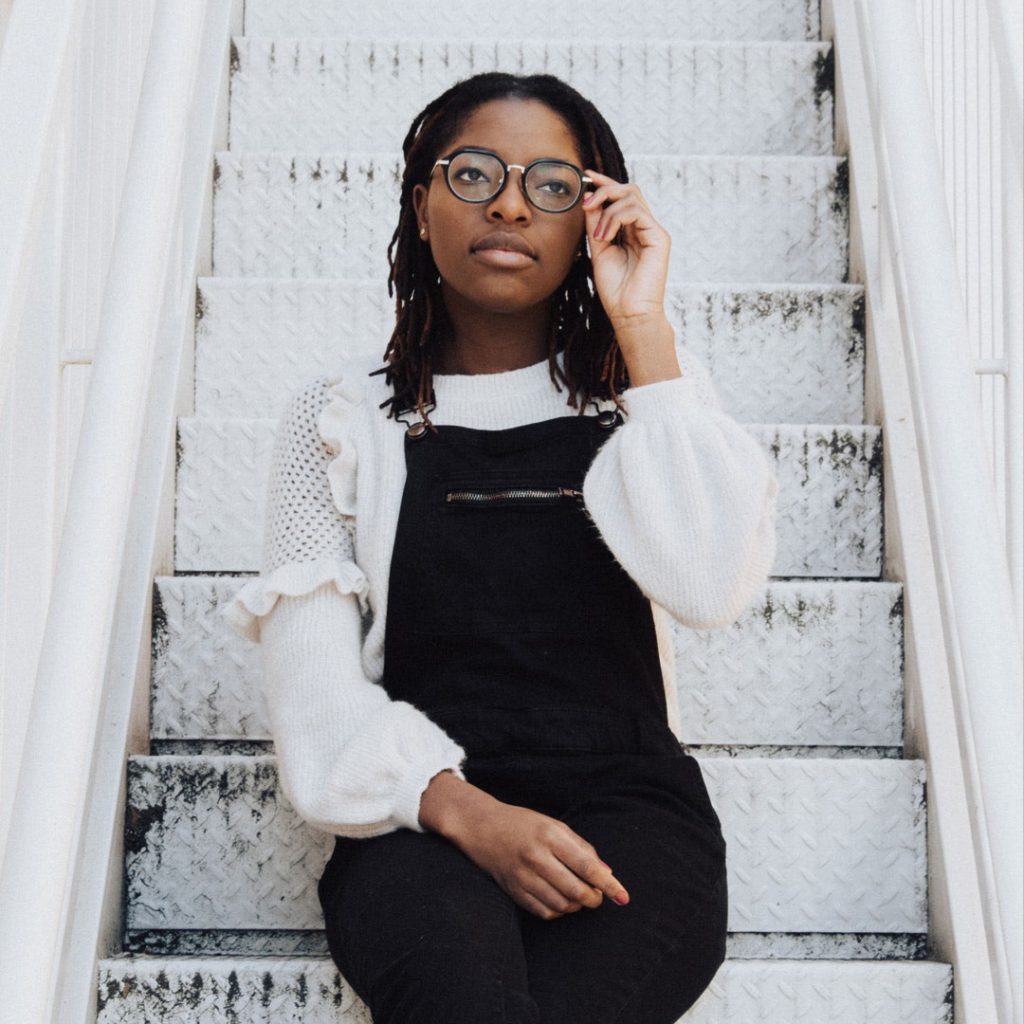
 This is a Black History Month Reflection on Youth Mentoring in the UK
During Black History Month, we celebrate the achievements and contributions of Black Britons past and present. But this October, let's also confront an uncomfortable truth: many of the young people who will become tomorrow's Black history makers are currently navigating education and youth systems that fail to see them fully, hear them clearly, or believe in them completely.
Black girls often experience a painful paradoxical invisibility, seen only when their behaviour requires correction, but unseen when their ideas deserve amplification. They're expected to be compliant and helpful, yet when they assert themselves, they're labelled as having "an attitude." Their emotional worlds go unexplored, their intellectual contributions go unasked for, and too often, adults reduce them to concerns about appearance or respectability.
Black boys face a different but equally damaging set of assumptions. They're viewed through a lens of threat, seen as aggressive or violent before they've done anything aggressive or violent. Their interests are presumed to be narrow: sports, music, money, "winning." Their potential is confined to the physical or the performative, while their intellectual, creative, and emotional depth remains unacknowledged.
For both, there's often an underlying current of fear and uncertainty from the adults meant to support them. Many professionals simply don't know how to engage meaningfully, defaulting instead to low expectations wrapped in the language of "realism."
And beneath all of this lies a reality that cannot be ignored: these young people are not growing up in a vacuum. They are navigating anti-Blackness, structural racism, and systemic inequities that shape their daily experiences, from disproportionate school exclusions to over-policing in their communities, from limited access to mental health support to barriers in employment and higher education.
So how do we mentor Black young people in ways that honour their full humanity, challenge the systems that constrain them, and equip them for the world as it is while empowering them to change it?
Before you can effectively mentor a Black young person, examine your own biases, assumptions, and fears. Ask yourself:
Mentoring begins with humility. Recognise that anti-Black racism is not just "out there" in structures, it can live in our own unconscious responses, our body language, our expectations.
Black young people are not monoliths. They contain multitudes, contradictions, complexities, dreams that don't fit stereotypes. A Black girl can love fashion and love physics. A Black boy can love football and love poetry. They can be vulnerable, unsure, gentle, ambitious, silly, serious, and everything in between.
Don't let your mentoring be transactional, focused only on behaviour management or academic outcomes. Ask about their inner lives. What makes them laugh? What keeps them up at night? What do they wonder about?
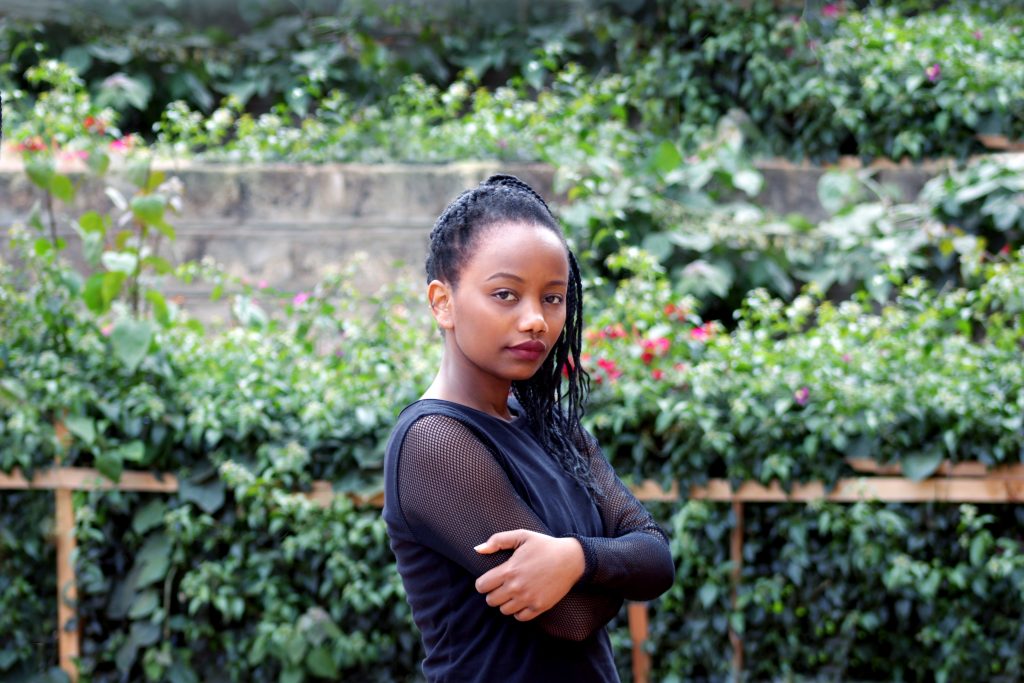 Practical Approaches to Youth Mentoring Black Girls
Black girls are often expected to be seen and not heard. Reverse this.
Black girls often receive messages that their worth depends on being "respectable"—polite, modest, accommodating. While teaching social skills matters, be careful not to reinforce the idea that they must shrink themselves to be valued.
Many Black girls navigate harmful messaging about their skin tone, hair texture, and features. Mentoring should include:
Black girls are often steered toward "caring" professions or away from STEM, leadership, and academia. Actively counter this.
 Practical Approaches to Youth Mentoring Black Boys
Black boys are often treated as dangerous before they've done anything dangerous. This creates a self-fulfilling prophecy and deep psychological harm.
Sports and music are valid interests, but they shouldn't be the only future you envision for Black boys.
Black boys often receive the message that they must be hard, invulnerable, always "on." Youth Mentoring should offer a counter-space.
Don't pretend racism doesn't exist or that hard work alone will overcome it. Black boys need mentors who can:
 Addressing Structural and Systemic Realities
Effective mentoring of Black young people cannot ignore the systems they're navigating. This means:
Help young people understand that their struggles are not personal failings but often systemic barriers. This isn't about creating victimhood, it's about developing analysis.
Equip young people with tools to both survive and challenge unjust systems.
Black young people shouldn't navigate anti-Blackness in isolation.
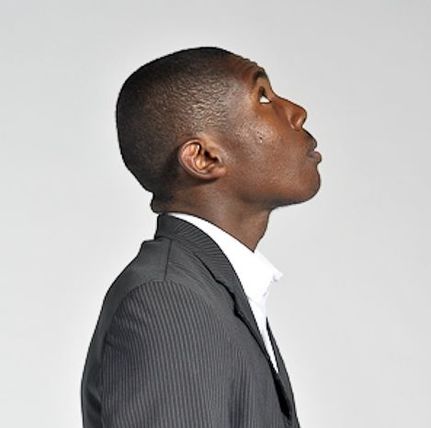 Practical Tips To Building the Relationship
Many Black young people have experienced adults who give up on them. Don't be another one.
Mentoring isn't about imposing your wisdom, it's about drawing out theirs.
Yes, highlight Black achievement, but also normalise Black humanity.
When tensions arise, and they will, lean in rather than pulling away.
This Black History Month, let's commit to mentoring that truly sees Black young people—not as problems to be managed or potential to be cautiously optimised, but as whole human beings deserving of belief, investment, and love.
Let's challenge ourselves to:
Black young people are not damaged. They are not deficient. They are navigating a world that too often refuses to see their brilliance, hear their voices, or make space for their dreams.
The question is not "What's wrong with them?" The question is: What are we willing to change about ourselves, our practices, and our systems to truly support them?
That work, unglamorous, uncomfortable, ongoing, is how we honor Black history by investing in Black futures.
Book yourself onto our CPD Youth Mentoring training courses to learn approaches that work in youth mentoring relationships, learn from the young people you work with.
Or call a member of our team for more information on 02081588500 or 07412640174.